 Glide
Glide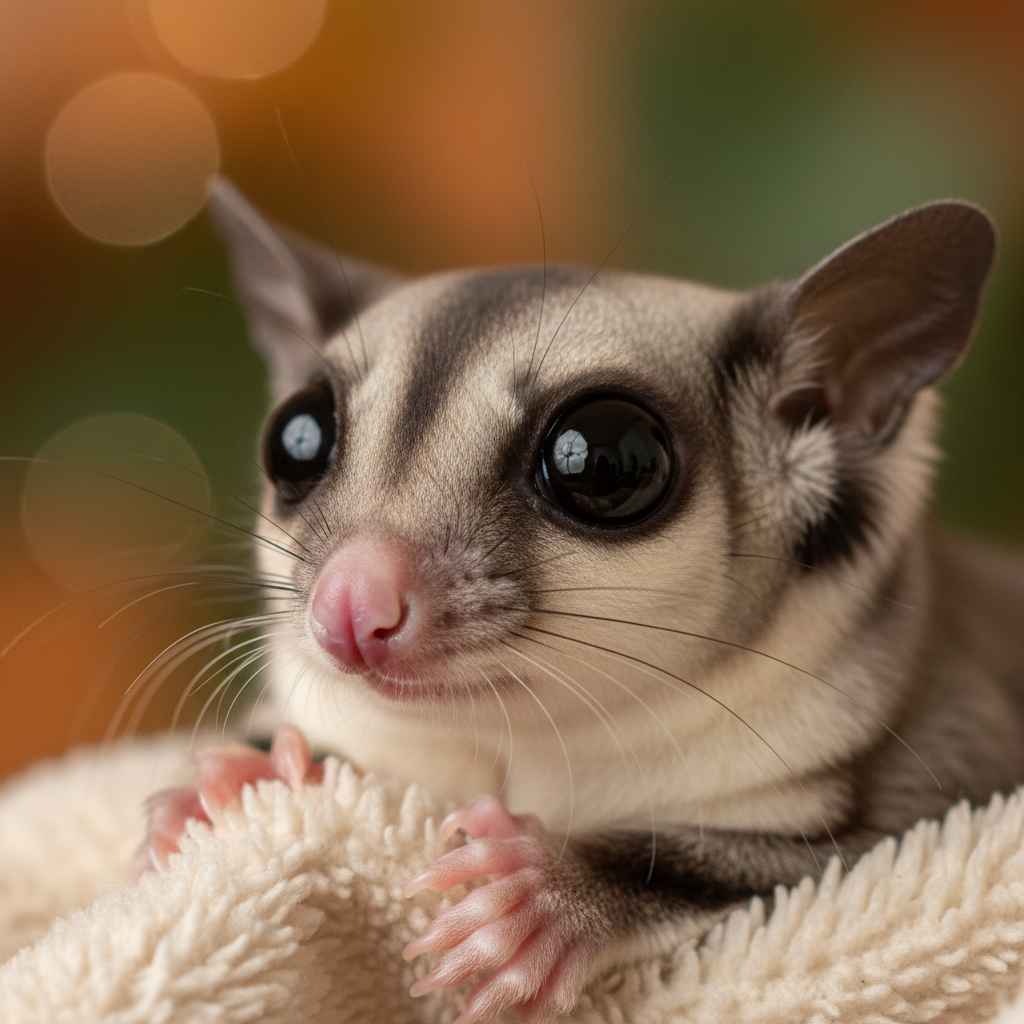
"They remember who held them gently."
From a dorm-room rescue
to a purpose-built sanctuary.
In 2019, our founder Maya Okonkwo inherited a neglected colony of seven gliders living in a 30-gallon tank in a college dorm. What began as an emergency became an obsession — then a calling. She spent three years studying glider ethology before building Glide: a facility designed from the inside out around how sugar gliders actually live.
Sleeping Chambers
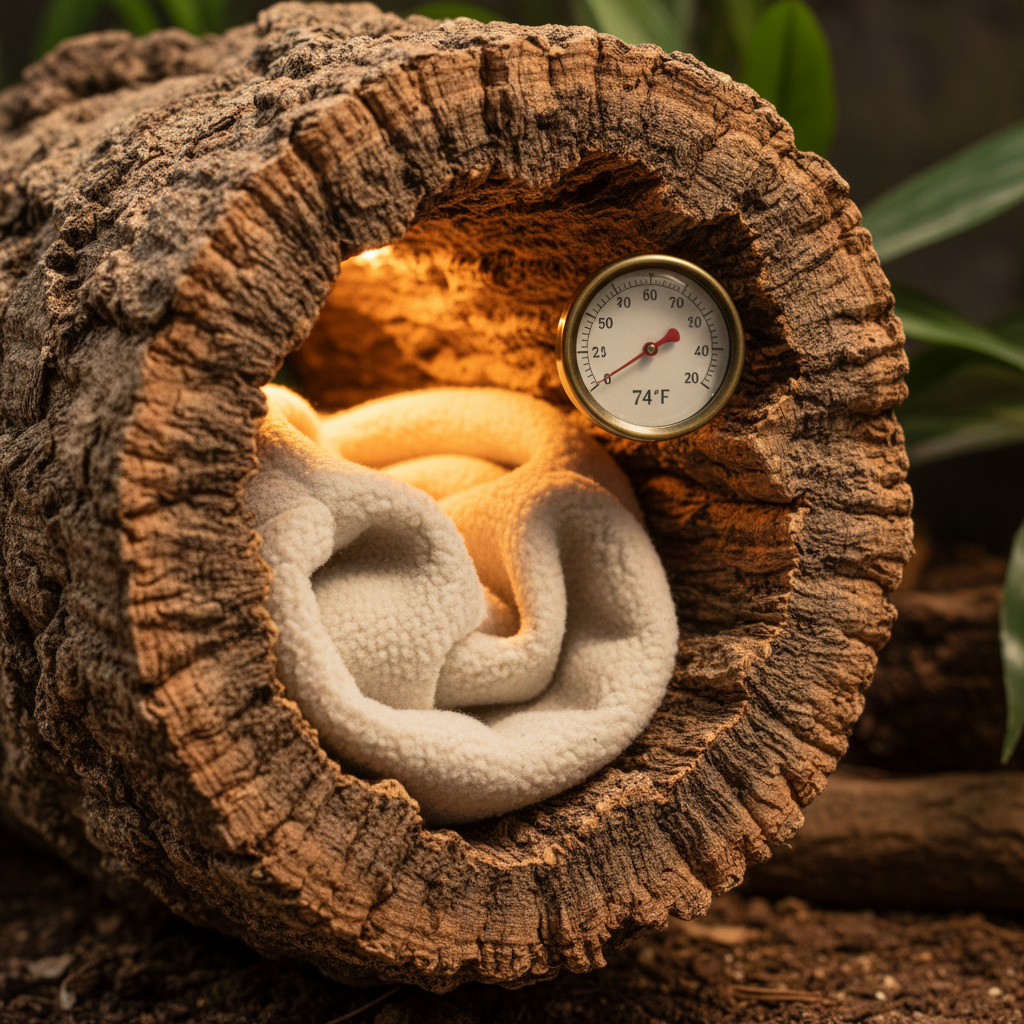
Temperature-controlled cork bark hollows, 72–76°F, humidity monitored nightly.
Foraging Walls
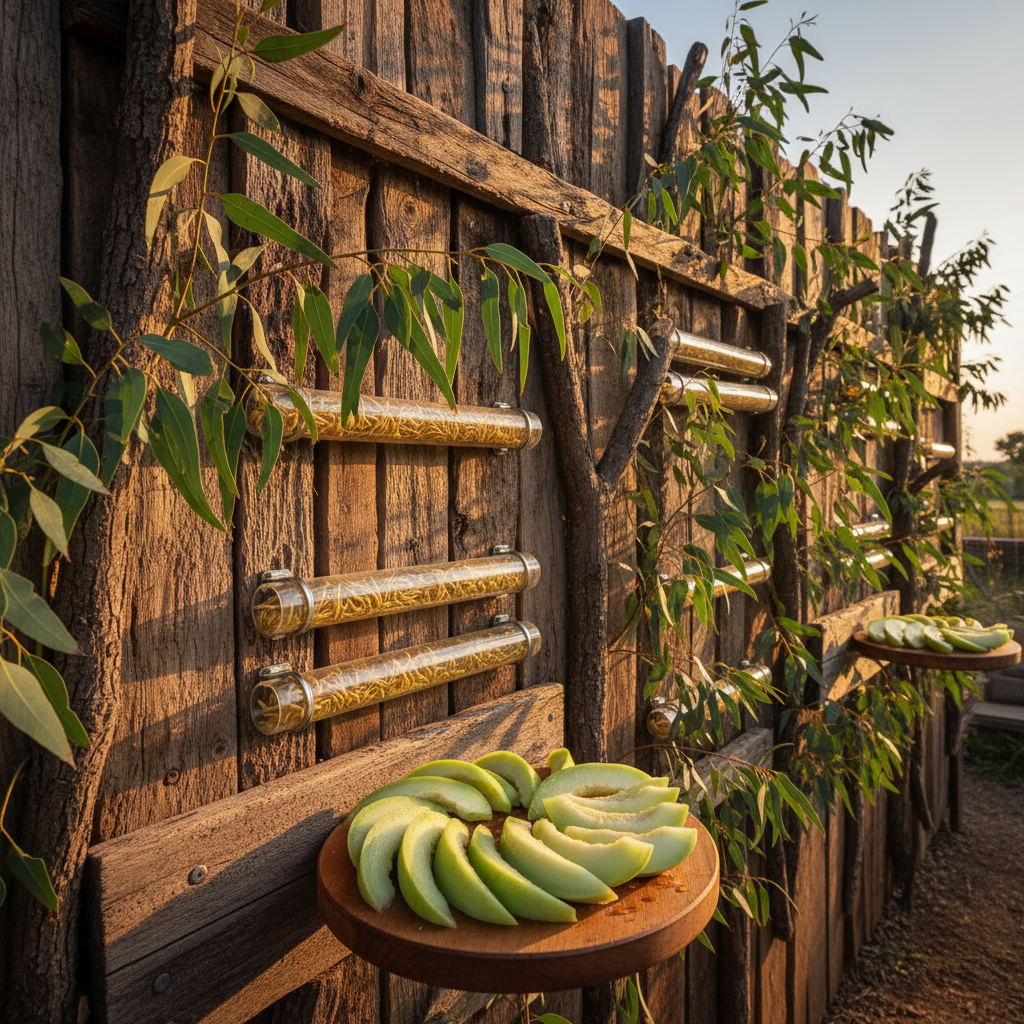
Live eucalyptus, cork rounds, and fleece pouches changed every 48 hours.
Bonding Rooms
Private rooms for gliders who need human-scent acclimatization before joining a colony.
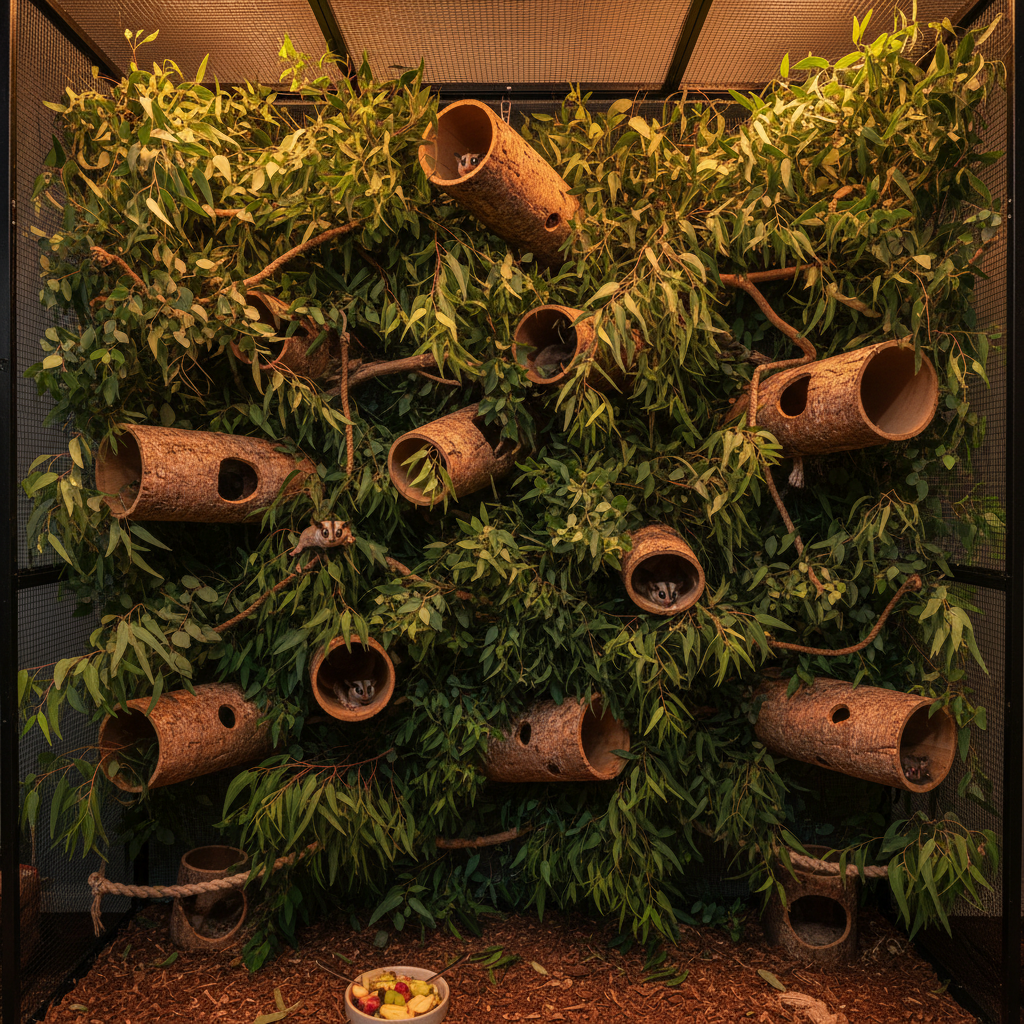
Colony Enclosures
8-foot vertical cages with branch ladders — minimum 4 sq ft per glider.
Dusk to dawn,
nothing is left to chance.
Sugar gliders are nocturnal. Most pet sitters are not awake at 2 AM when your glider needs a foraging wall restocked. Our staff works the same hours your glider does.
Dusk Awakening
Enclosure lights dim to 2% — mimicking natural dusk. Gliders stir, begin vocalizing. Fresh eucalyptus branches placed. Temperature verified at 74°F.
Foraging Hour
Diet prepared to each glider's notes: BML, TPG, or custom mix. Mealworms, honeydew, papaya, and crickets portioned per colony. No generic kibble — ever.
Bonding Check-In
Staff wear bonding pouches for gliders flagged as needing human-scent contact. Crabbers are never forced — they receive proximity bonding at their own pace.
Colony Observation
Social dynamics logged: who's grooming whom, any tension signals, new colony pairings noted. Joeys in foster care receive supplemental feeding.
Peak Activity
Gliders are most active. Foraging walls restocked, enrichment rotated — new textures, scents, and climbing configurations to prevent boredom.
Pre-Dawn Wind-Down
Lights shift to warming amber. Gliders return to pouches. Fresh water changed. Overnight notes compiled for owner morning report.
We speak glider.
Fluently.
Most pet sitters Google "sugar glider care" the night before. We built our protocols over seven years of hands-on colony management — and we update them every time the research does.
Colony Pairing Protocol
We never introduce a solo glider into an established colony without a 72-hour scent-introduction period. Rushed pairings cause chronic stress and fur barbering — we've seen what that looks like and we won't do it.
Crabbing ≠ Aggression
A glider who crabs is communicating fear, not hostility. Our staff are trained to read the full vocabulary: crabbing, barking, chirping, and the subtle ear-tuck that precedes a bite. We respond with patience, not restraint.
Pouch Bonding Continuity
If your glider bonds to a bonding pouch, we wear it. If they bond to fleece with your scent, bring it — we'll rotate it into their sleeping chamber. Continuity of scent is continuity of trust.
Joey Foster Protocol
Breeders: joeys in OOP weaning need round-the-clock feeding every 4–6 hours. We have staff on the overnight specifically for this. Your joeys won't fall through a schedule gap.
For Breeders
Joey foster care during weaning weeks.
OOP joeys need feeding every 4–6 hours. We have overnight staff specifically trained for supplemental joey feeding — your breeding program doesn't pause because of a travel conflict.
Leave knowing they're
already home.
Two spots open per week. We keep our colony sizes small so every glider gets the attention they deserve — not the attention we have left over.